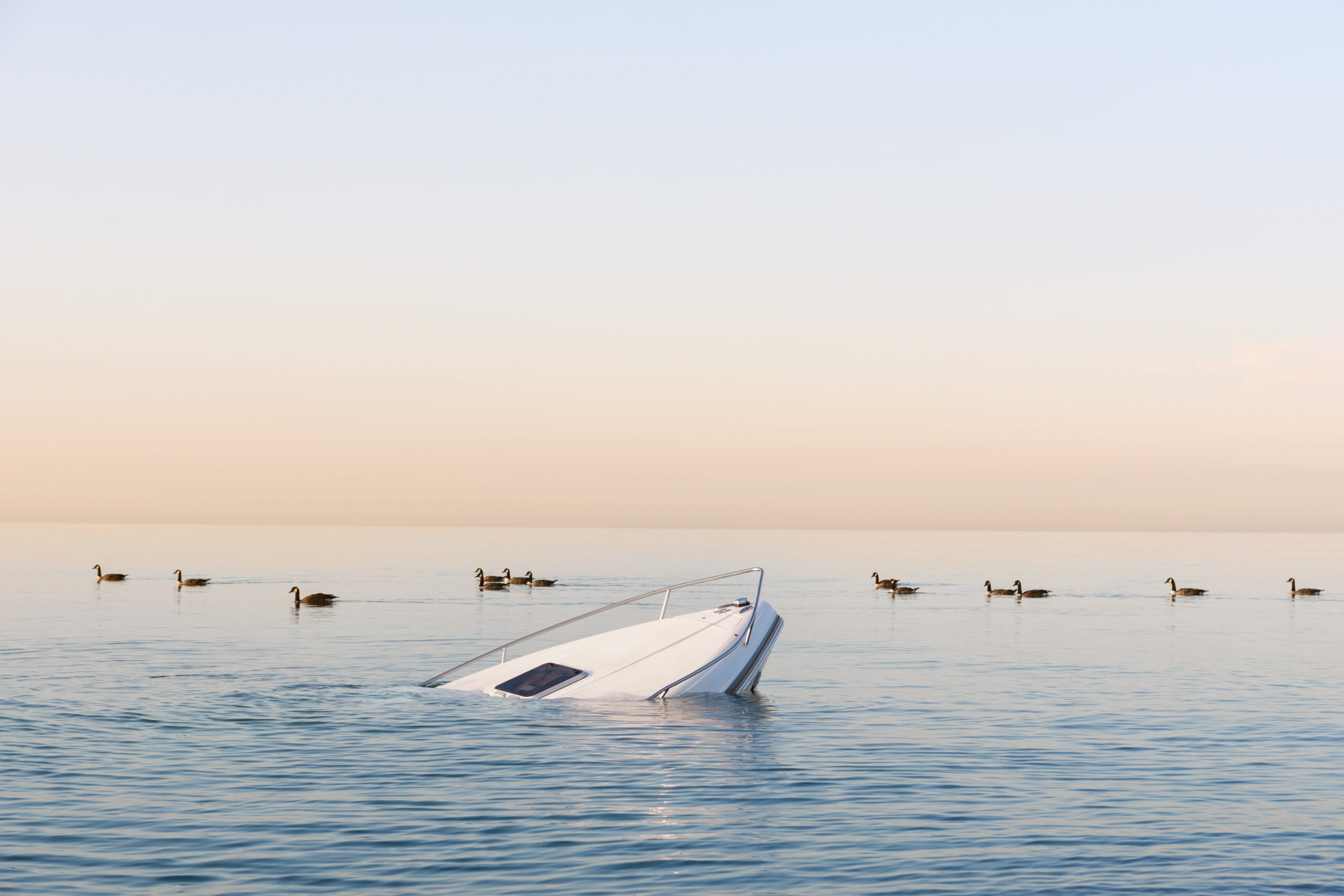
A commercial fishing vessel sank off the coast of Cape Cod in early March, leaving two fishermen lost at sea. The vessel, known as the Yankee Rose, overturned in waters northeast of Race Point near Provincetown, triggering an emergency response from the U.S. Coast Guard and several local agencies.
The tragedy has shaken fishing communities across Massachusetts, particularly in ports such as New Bedford and Provincetown where commercial fishing remains a way of life. Incidents like this also raise serious questions about vessel safety, working conditions at sea, and the legal rights available to fishermen and their families after a fatal maritime accident.
For anyone connected to the vessel, including crew members, witnesses, or family members seeking answers, it is important to understand what is known about the sinking and what steps may follow under maritime law.
What Happened When the Fishing Vessel Yankee Rose Capsized?
Authorities reported that the Coast Guard received a distress notification shortly before noon on March 5 indicating that the Yankee Rose had overturned approximately two nautical miles northeast of Race Point in Provincetown.
Rescue crews responded quickly. Coast Guard personnel, environmental police, and local first responders arrived on scene within minutes and located one of the fishermen in the water. He was transported to shore where emergency responders attempted life-saving measures, but he ultimately passed away.
The second person aboard the vessel was not located during the search. Rescue operations continued for many hours as crews faced freezing ocean temperatures, dangerous seas, and strong winds. After more than twenty hours of searching the surrounding waters, the Coast Guard suspended recovery efforts.
Investigations into maritime accidents like this typically involve federal authorities and may examine a wide range of factors that contributed to the vessel capsizing.
Commercial Fishing Remains One of the Most Dangerous Jobs in America
Fishing vessels operating along the New England coast face unpredictable conditions year-round. Crews often work long hours in rough seas while managing heavy gear, changing weather patterns, and demanding schedules.
Some of the dangers that can lead to vessel disasters include:
- Severe weather or rapidly changing sea conditions
- Vessel stability problems or equipment failure
- Overloaded gear or shifting cargo
- Mechanical issues that reduce maneuverability
- Human error or inadequate training
- Delayed emergency response equipment or communication problems
Maritime Laws Protect Fishermen Injured or Killed at Sea
Commercial fishermen and other maritime workers are not covered by standard workers’ compensation systems. Instead, their rights are governed by federal maritime law.
These laws exist because working at sea carries unique risks that land-based jobs do not face. When a vessel sinks or a serious accident occurs, several legal protections may apply to crew members and their families.
Common maritime claims after a fishing vessel accident may involve:
- Jones Act negligence claims against vessel owners or employers
- Unseaworthiness claims when a vessel was unsafe to operate
- Maintenance and cure benefits for injured maritime workers
- Wrongful death claims brought by surviving family members
Each case depends on the facts surrounding the incident, including how the vessel was maintained, the weather conditions at the time, and whether safety procedures were followed.
Investigators may examine vessel stability records, safety equipment, radio communications, maintenance logs, and crew training documentation.
Questions That Often Arise After a Fishing Boat Sinking
When a commercial fishing vessel capsizes, families and fellow fishermen are often left with many unanswered questions. Federal investigators may spend months reviewing evidence to determine the sequence of events.
Some of the issues investigators often examine include:
- Whether the vessel had any known mechanical or stability issues
- If weather warnings or advisories were active at the time
- Whether safety gear and emergency beacons were working properly
- The condition and maintenance history of the vessel
- Whether operational decisions placed the crew at unnecessary risk
These investigations are important not only for determining responsibility, but also for preventing future tragedies in the fishing industry.
The Impact on New England’s Fishing Community
Ports such as Provincetown, Gloucester, and New Bedford have deep maritime traditions built around generations of commercial fishermen. When a vessel is lost, the effects ripple through entire communities.
Fishing crews often work closely with one another for years. Families, deckhands, captains, and harbor communities feel the loss deeply when a vessel does not return safely to port.
The sinking of the Yankee Rose follows another deadly fishing vessel disaster that occurred off Massachusetts earlier this year. Events like these remind many fishermen how quickly conditions at sea can turn dangerous.
When Families May Have Legal Options After a Maritime Fatality
After a fatal maritime accident, families are often focused on grieving and supporting one another. In the weeks and months that follow, many begin to look for answers about what caused the incident.
In some cases, an investigation may reveal that the vessel was unsafe, poorly maintained, or operated in a way that placed the crew at risk. When that happens, maritime law may allow surviving families to pursue financial recovery for losses such as:
- Funeral and burial costs
- Lost financial support
- Loss of companionship and family support
- Pain and suffering prior to death
These cases are often complex and require a deep understanding of maritime regulations, vessel operations, and federal law governing seamen.
Legal Representation for Maritime Workers and Fishing Crews
For more than sixty years, Latti Associates LLC has represented injured maritime workers and families affected by tragedies at sea. Based in Boston and New Bedford, the firm handles maritime injury cases nationwide involving commercial fishing vessels, offshore work, and maritime accidents.
Carolyn Latti has practiced maritime injury law for over three decades and has recovered more than $100 million for injured clients and their families. Every case handled by Latti Associates LLC is prepared with the expectation that it could go to trial, building strong evidence and legal strategy from the very beginning.
Contact Latti Associates LLC About a Maritime Accident Investigation
If you or a family member were connected to the Yankee Rose fishing vessel or another maritime accident, the team at Latti Associates LLC is available to discuss your situation.
With offices in Boston and New Bedford, but practicing nationwide, our firm represents seamen, fishermen, and families seeking answers after serious incidents at sea.
Contact Latti Associates LLC to learn more about your legal rights and the options that may be available after a maritime accident.