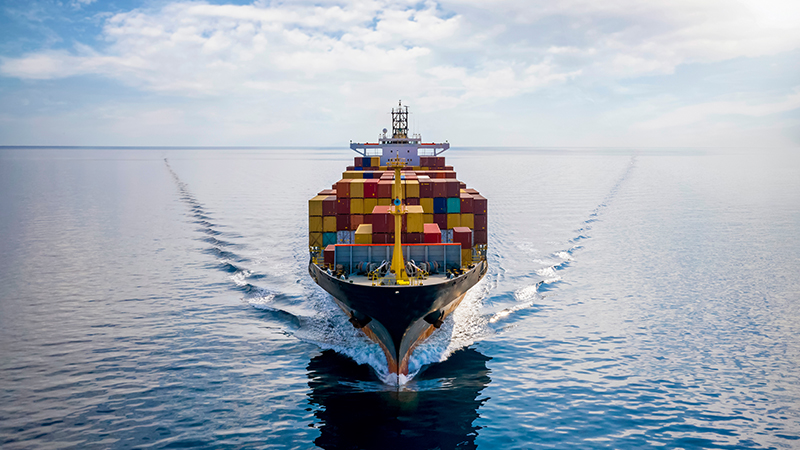
When someone is injured on a vessel, one of the first legal questions is whether the vessel itself was safe to operate. Under maritime law, vessel owners are responsible for keeping their ships and equipment in a condition that does not put workers at risk.
If something on board is not reasonably safe and that condition leads to an injury, the vessel may be considered unseaworthy.
This standard applies to more than just large ships. A vessel can include tugboats, barges, offshore platforms, and even certain floating structures used in maritime work. No matter the type, the expectation is the same. The vessel and everything on it must be fit for its intended use.
Safety Gear and Emergency Readiness
Every vessel should be equipped with the safety gear needed for the type of work being performed. This includes items used during daily operations as well as equipment meant for emergencies. When that gear is missing, damaged, or not accessible, it can increase the severity of an accident. Workers rely on this equipment to protect themselves, especially in high-risk environments like offshore jobs or commercial fishing. A lack of proper safety measures can be a strong factor in determining whether a vessel was safe to begin with.
Deck Conditions and Everyday Hazards
Some of the most serious injuries at sea come from conditions that develop during normal operations. Decks can become slippery, cluttered, or difficult to move across safely. Lines left in walkways, unsecured tools, or poorly organized work areas can all lead to falls or other accidents. On a moving vessel, even a small hazard can become dangerous very quickly. These types of conditions are often preventable with proper oversight and attention to how the vessel is being run day to day.
The Impact of Poor Maintenance Over Time
Maintenance plays a major role in vessel safety. When systems are not inspected or repaired as needed, small issues can turn into larger problems. This can affect engines, navigation systems, cargo equipment, and even living areas on board. Over time, neglect can create an environment where accidents are more likely to happen. In many cases, maintenance records and inspection history become important when looking into what caused an injury.
Crew Experience and Training Also Matter
A vessel is only as safe as the people operating it. Even with good equipment, a lack of training or experience can lead to mistakes that put others at risk. This includes situations where a crew is too small for the workload or where workers are expected to handle tasks without proper instruction. Leadership on board also plays a role. Decisions made by supervisors or captains can affect how safely operations are carried out. When a crew is not prepared for the work they are doing, it can contribute to unsafe conditions.
How Unseaworthiness Connects to Maritime Injury Claims
Unseaworthiness is a key concept in many maritime injury cases. It often works alongside claims under the Jones Act, which focuses on negligence. While negligence looks at actions, unseaworthiness looks at conditions. Both can apply at the same time, depending on what led to the injury.
Injured workers may also be entitled to maintenance and cure, which provides support during recovery regardless of fault. Understanding how these pieces fit together can make a difference when pursuing a claim.
As maritime attorney David Anderson explains, a vessel owner or operator must provide a safe working environment. This also applies to a captain or crewmember who is operating the vessel while intoxicated. Latti Associates LLC is a maritime accident law firm that fights for those who have sustained injuries at sea.
Why These Cases Are Often More Complex Than They Seem
At first glance, an injury may seem straightforward. But when you look closer, there are often multiple factors involved. Equipment condition, crew actions, maintenance history, and vessel operations can all play a role.
That is why these cases often require a detailed review of what was happening on board before the accident. Small details can point to larger issues that were not addressed.
Talk With Latti Associates About an Unseaworthy Vessel Claim
If you were injured on a vessel and believe unsafe conditions played a role, you may have the right to pursue a claim under maritime law. These cases depend on understanding how the vessel was being operated and whether it was safe for the work being done.
Contact the experienced team at Latti Associates to discuss your situation. We represent maritime workers nationwide and can help you take the next step forward.