

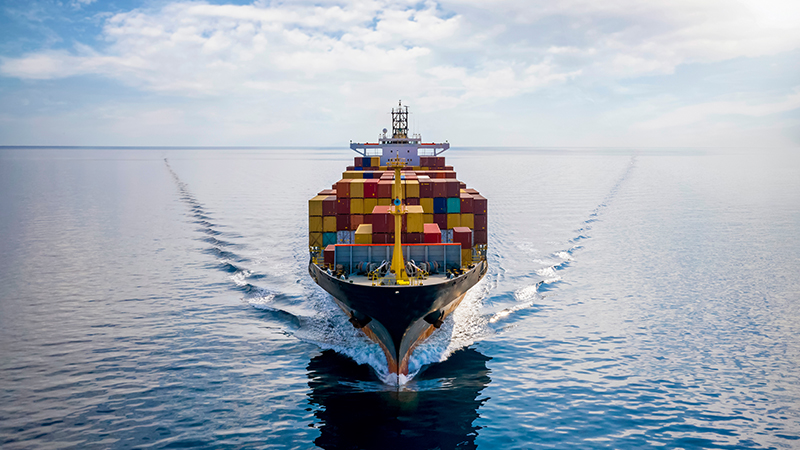
Many people assume maritime law only applies to injuries that happen on a vessel out at sea. In reality, some maritime laws also apply to injuries that occur on land near navigable waters.
Ports, docks, shipyards, and cargo terminals are busy workplaces where accidents can happen during loading, unloading, maintenance, or transportation operations. When workers are injured in these environments, federal maritime laws may still apply depending on the type of work being performed.
One of the most important laws addressing these situations is the Longshore and Harbor Workers’ Compensation Act (LHWCA). This federal law provides compensation to certain maritime workers who are injured while working on or near navigable waters.
Understanding whether maritime law applies to your injury can make a major difference in the benefits and compensation available.
Who Does the Longshore Act Help?
The Longshore and Harbor Workers’ Compensation Act is a federal workers’ compensation system that protects maritime workers who are not members of a vessel’s crew.
While traditional maritime claims such as those under the Jones Act apply to seamen, the Longshore Act focuses on workers involved in maritime operations near the water. As maritime trial lawyer David Anderson explains in the video below, individuals covered by the Longshore Act include:
-
Longshore workers loading or unloading cargo
-
Dock workers and terminal employees
-
Ship repair and shipbuilding workers
-
Harbor construction workers
-
Certain port and maritime logistics workers
Benefits Available Under the Longshore Act
Workers who qualify under the Longshore and Harbor Workers’ Compensation Act may receive several types of benefits after a serious injury.
These benefits may include:
-
Payment of medical treatment related to the injury
-
Compensation for lost wages during recovery
-
Ongoing disability payments for long-term injuries
-
Vocational rehabilitation for workers who cannot return to their previous job
-
Death benefits for surviving family members after fatal workplace accidents
In many cases, injured workers may receive payments equal to two-thirds of their average weekly wage while they are unable to work.
Maritime Accidents That Happen on Land
Serious accidents can occur in port environments even when the injured worker is technically on land. Cargo operations, crane lifts, container stacking, and truck loading all create risks in busy shipping terminals.
A recent example involved a cargo accident at Port Newark in New Jersey, where a shipping container reportedly fell onto a truck driver’s vehicle while he was inside the cab. The impact crushed part of the truck and left the driver seriously injured.
The worker was transported to a trauma center for treatment while authorities investigated the cause of the incident.
Accidents like this demonstrate how dangerous port operations can be and why federal maritime laws may apply even when the injury happens on land.
Who the Longshore Act Protects
The Longshore Act was created to protect workers whose jobs support maritime commerce but who are not considered seamen under the Jones Act.
Workers who may be covered include those involved in:
-
Cargo loading and unloading operations
-
Shipbuilding or ship repair work
-
Dockside equipment operation
-
Port logistics and maritime transportation support
Coverage depends on both the location of the injury and the type of work being performed. Because these rules can be complex, determining whether a claim qualifies under maritime law often requires careful review of the circumstances surrounding the accident.
When Maritime Law May Apply to Land-Based Injuries
Several factors help determine whether maritime law applies when a worker is injured near the water.
These factors may include:
-
Whether the injury occurred near navigable waters
-
Whether the worker’s job supports maritime operations
-
Whether the accident involved vessels, cargo operations, or maritime equipment
-
Whether the worker qualifies under the Longshore Act or another maritime statute
Each case depends on the details of the accident and the worker’s role in maritime activity.
Speaking With a Maritime Injury Lawyer
Maritime injury cases often involve federal statutes and specialized legal rules that differ from standard workers’ compensation claims.
Determining whether an injury falls under the Jones Act, the Longshore Act, or another maritime law can affect the compensation available and the legal process that follows.
Latti Associates LLC handles complex maritime injury cases involving seamen, dock workers, commercial fishermen, and other maritime employees across the country.
If you were injured while working on or near the water, contact Latti Associates LLC to discuss your situation and learn whether maritime law may apply to your case.