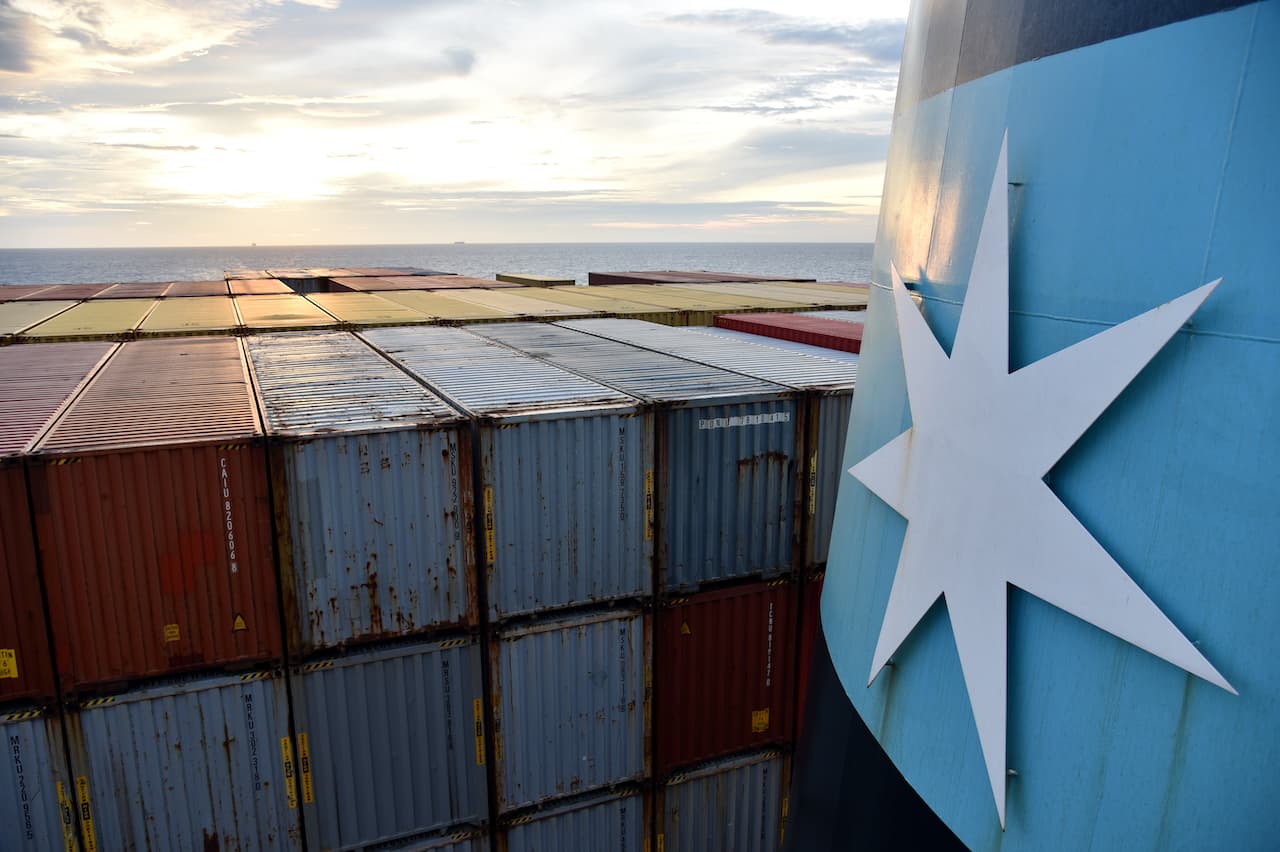
Working on the water is demanding work. Whether you’re hauling gear on a fishing vessel, working long shifts on a tanker or container ship or serving as deckhand on a ferry or cruise ship, injuries are part of the risk. When an accident happens, many maritime workers are unsure what benefits they are entitled to or how long those payments should last.
Under federal maritime law, people who work on the water and are injured, are entitled to maintenance and cure benefits. These rights exist to protect injured seamen while they recover, regardless of who caused the accident.
At Latti Associates LLC, we have represented injured maritime workers for over 60 years, helping crew members across the country secure the benefits they are owed.
Who Qualifies for Maintenance and Cure?
Most crew members working aboard a vessel qualify as “seamen” under maritime law. That includes deckhands, engineers, mates, and others whose jobs contribute to the vessel’s mission.
To qualify for maintenance and cure, you generally must:
- Work aboard a vessel in navigation
- Contribute to the vessel’s function or mission
- Have a substantial connection to the vessel
- Be injured during the course of your employment
Fault does not matter. If during your work day, you were eating a piece of pizza and chipped your tooth, you are entitled to maintenance and cure benefits.
This applies to all maritime workers operating off the coasts of Massachusetts, New York, New Jersey, North Carolina, Florida, and throughout the Gulf Coast and Pacific regions. Since maritime law affects workers across the U.S., our firm handles cases on a nationwide scale. Contact Latti Associates LLC at (617) 523-1000 to discuss your case from anywhere in the country.
What Maintenance and Cure Covers for Injured Maritime Workers
Maintenance and cure is designed to support you while you recover. Maintenance refers to daily living expenses while you are unable to work. Cure covers medical treatment related to the injury.
Benefits include:
- Daily maintenance payments based on your basis living expenses such as lodging, utilities to food
- Doctor visits and hospital care
- Surgery and rehabilitation
- Prescription medication
- Medical equipment and supplies
- Travel costs for medical appointments
For many maritime workers, calculating proper maintenance payments can become complicated as insurance companies sometimes attempt to set maintenance rates far below actual living expenses. When payments do not reflect your real expenses, disputes often follow.
How Long Does Maintenance and Cure Last?
Maintenance and cure continues until you reach what maritime law calls Maximum Medical Improvement (MMI). This means your condition has stabilized and further treatment is not expected to improve it.
Maritime companies sometimes try to declare MMI early to cut off payments. In other situations, they may delay checks or request repeated evaluations by company-selected doctors.
If your maintenance checks stop without explanation, or your medical care is denied before you have fully recovered, that may violate your rights under maritime law.
What If a Maritime Company Refuses to Pay Maintenance and Cure?
Payment delays and denials are not uncommon in the maritime industry. Vessel owners and insurers may argue that:
- The injury was pre-existing and you failed to disclose it
- You were not in service of the vessel
- You reached MMI
- The injury did not occur on the boat
These disputes often arise after injuries on scallop boats, trawlers, longliners, tankers, tugs, ferries, and cruise ships operating off the East Coast and beyond. Because maritime law is specialized, these claims require experience with federal courts and admiralty procedure.
Maintenance and Cure vs. Jones Act & Unseaworthiness Claims for Maritime Workers
Maintenance and cure is separate from a Jones Act claim and claim for unseaworthiness.
Maintenance and cure provides immediate support for medical care and living expenses. A Jones Act claim allows an injured seaman to pursue compensation if employer negligence contributed to the injury or the vessel was unseaworthy.
In many cases, workers injured on the water will have claims for all three at the same time. For example, if unsafe equipment, poor training, or understaffing played a role in the accident, a negligence claim and an unseaworthiness claim may exist in addition to maintenance and cure.
Understanding how these claims work together is important when evaluating the full value of a case.
Maritime Injury Representation for Maritime Workers Nationwide
Maritime workers face risks that land-based employees do not. Latti Associates LLC has more than six decades of experience handling maritime injury cases across the country. We represent commercial fishermen and merchant seamen in federal courts nationwide.
If your maintenance and cure payments have stopped, been delayed, or never started, contact Latti Associates LLC to discuss your situation. Our team can review your claim and help you pursue the benefits and compensation you are entitled to under maritime law.