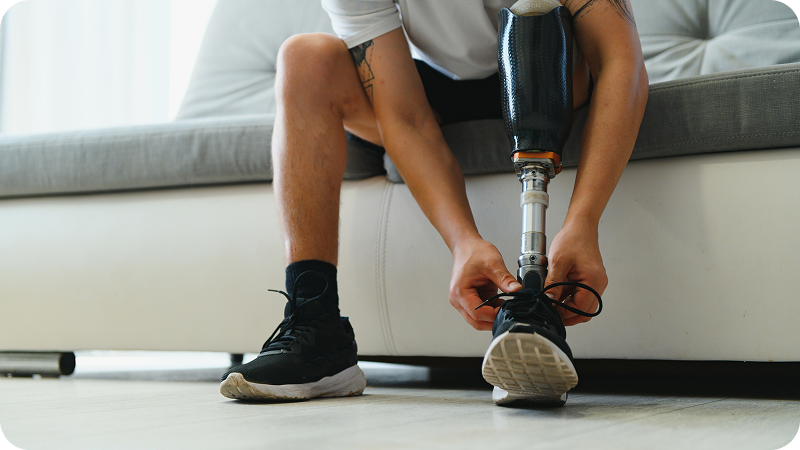
An amputation is one of the most devastating injuries a maritime worker can suffer. Life on the water already involves difficult physical work, long hours, and dangerous equipment. When a worker loses a hand, arm, leg, finger, or foot in a maritime accident, the impact reaches every part of daily life — from the ability to work and support a family to basic independence at home.
At Latti Associates LLC, we represent maritime workers who have suffered amputations aboard fishing vessels, tugboats, cargo ships, dredges, offshore vessels, and other commercial boats. For more than 60 years, our firm has handled serious maritime injury claims involving catastrophic limb loss under the Jones Act and general maritime law. Based in Boston with a nationwide maritime practice, we represent injured workers throughout Massachusetts, Maine, New Hampshire, Rhode Island, Connecticut, New Jersey, Delaware, and across the country.
How Maritime Amputation Accidents Happen
Commercial fishing and maritime work involve constant exposure to moving machinery, heavy gear, cables, tow lines, winches, and hydraulic systems. In many cases, amputations happen suddenly and without warning. A worker’s hand may become trapped in a winch, a limb may be crushed between vessels, or loose clothing may become caught in unguarded machinery.
Many maritime amputation claims involve preventable conditions aboard the vessel. Unsafe equipment, lack of training, poor maintenance, and rushed operations frequently contribute to these injuries. In some cases, vessel owners fail to provide proper guards, emergency shutoff systems, or enough crew members to safely perform demanding tasks.
Common Causes of Amputations on Fishing Boats and Commercial Vessels
Our firm has represented maritime workers injured in accidents involving:
- Winches, capstans, and hauling systems
- Mooring lines, ropes, and towing equipment
- Fishing gear and net handling equipment
- Unguarded machinery and moving engine parts
- Crush injuries between vessels or docks
- Defective switches or hydraulic systems
These incidents often leave workers facing emergency surgeries, multiple hospitalizations, rehabilitation, and long-term prosthetic care.
The Long-Term Impact of Losing a Limb at Sea
The physical injury is only one part of what follows an amputation accident. Maritime workers often depend on their physical strength and mobility to earn a living. After losing a limb, many face uncertainty about whether they can return to the work they have done their entire lives.
Recovery may involve months of rehabilitation, physical therapy, prosthetic fittings, and ongoing medical treatment. Many amputees also experience chronic pain, nerve damage, emotional trauma, depression, or post-traumatic stress following a serious maritime accident.
The financial impact can be overwhelming. Workers may suddenly lose income while medical expenses continue to grow. Future prosthetic replacements, adaptive equipment, and long-term care costs are often substantial, especially for younger workers who will require treatment for decades.
Jones Act Claims for Maritime Amputation Injuries
Maritime workers injured at sea are often protected under the Jones Act and other maritime laws. Unlike standard workers’ compensation systems, the Jones Act allows injured seamen to pursue claims against employers whose negligence contributed to the accident.
These claims may involve unsafe working conditions, defective equipment, inadequate crew training, lack of proper supervision, or failure to maintain a seaworthy vessel. Maritime employers have a legal duty to provide a reasonably safe place to work. When they fail to meet that responsibility, injured workers have the right to pursue compensation.
In many maritime amputation cases, claims for unseaworthiness are also involved. A vessel may be considered unseaworthy when equipment, crew conditions, or onboard systems are unsafe for their intended use.
Why Injured Maritime Workers Choose Latti Associates LLC
Latti Associates LLC has represented injured maritime workers and families for generations. Led by trial lawyer Carolyn Latti, the firm has spent decades handling serious Jones Act and maritime injury litigation involving catastrophic injuries and wrongful death cases.
Carolyn remains personally involved in every case the firm accepts. Our approach is built on preparation, responsiveness, and understanding the realities of maritime work. We know these injuries affect entire families, not just the worker who was hurt.
Over the years, our firm has recovered more than $100 million through maritime injury claims, including Jones Act cases and claims involving unseaworthy vessels. We represent clients throughout the East Coast and nationwide and regularly handle cases involving fishing vessels, tugboats, cargo ships, offshore operations, and other maritime industries.
Speak With Latti Associates LLC About a Maritime Amputation Claim
After a serious amputation injury, many maritime workers are left wondering how they will support themselves and their families moving forward. The legal process may feel unfamiliar, especially while recovering from a traumatic injury.
Latti Associates LLC helps injured maritime workers understand their rights under the Jones Act and maritime law and guides them through every stage of the claim process. If you or a loved one suffered a limb loss injury while working aboard a vessel or around maritime equipment, contact our firm to discuss your situation and learn how we may be able to help.