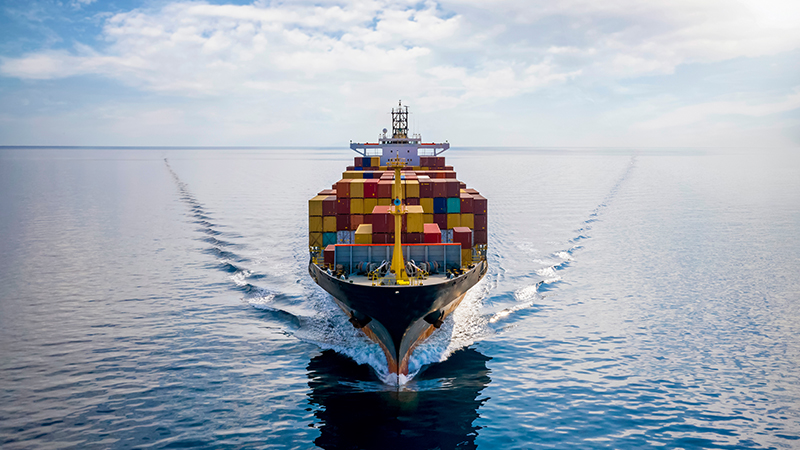
Life at sea is part of everyday reality for many people, from commercial fishermen and merchant seamen to recreational boaters who simply love being on the water. But when the ocean turns dangerous, safety procedures are ignored, or equipment fails, serious accidents can happen.
Each year, thousands of people are seriously injured or lose their lives in maritime accidents in U.S. coastal waters, with many more affected worldwide. These incidents often leave families facing overwhelming physical, emotional, and financial challenges.
For more than 60 years, the maritime trial lawyers at Latti Associates LLC have represented individuals injured at sea. We understand the unique complexities of maritime law and have extensive experience litigating maritime accident cases. Our team is committed to helping clients pursue justice when injuries are caused by the negligent, reckless, or intentional actions of others or the unseaworthiness of the vessel.
What Is Considered a Maritime Accident?
A maritime accident is an injury or death that happens on navigable waters or on a vessel. These cases are handled under federal maritime law, not standard state personal injury laws, which means the rules can be very different.
Most maritime accidents happen because something went wrong at sea like a crew member who wasn’t properly trained, equipment failed, safety procedures weren’t followed, or working conditions were unsafe. Accidents can range from serious onboard injuries to death. When someone’s carelessness or negligence is involved or the unseaworthiness of the vessel, injured workers and their families may have the right to seek compensation.
Offshore vs Onshore Injury Distinctions
Offshore injuries usually happen on vessels, tankers, tug or barges. In these situations, workers often deal with isolation, limited medical care, and few options during an emergency. When something goes wrong offshore, help is not always close by.
Onshore maritime injuries, by contrast, typically occur in shipyards, docks, piers, or loading facilities. While these jobs still carry serious risks, emergency response and medical treatment are usually much more accessible than they are offshore.
Who Is Protected Under Maritime Law?
Federal maritime law provides added protections for workers who face the unique risks of working on or near the water. Traditional workers’ compensation laws were not designed for the realities of life at sea, and maritime workers are covered under a different legal framework.
Whether you are protected depends on several factors, including your job duties, where the injury happened, and your employer’s connection to navigable waters. These laws are meant to ensure injured maritime workers can pursue medical care, lost wages, and other compensation that goes beyond a standard state-based claim.
Seamen, Longshoremen, and Offshore Workers
Seamen, such as fishermen, merchant mariners, and vessel crew members, typically qualify for Jones Act negligence claims, unseaworthiness claims, and maintenance/cure benefits.
Longshoremen and harbor workers who are responsible for loading and unloading cargo at docks or shipyards can receive no-fault scheduled benefits under the Longshore and Harbor Workers’ Compensation Act (LHWCA).
Common Types of Maritime Accidents
We help commercial fishermen, merchant seamen, researchers, recreational boaters, passengers, longshoremen, dockworkers and more with a variety of maritime accidents, including:
Vessel Collisions
Collisions involving ships, tugboats, barges, or recreational boats can happen for many reasons like poor visibility, navigation mistakes, mechanical problems, or simple human error. Because of the size and speed of many vessels, even a single mistake can lead to serious injuries or loss of life.
These accidents often leave crew members and passengers dealing with significant physical and financial consequences. Lati Associates LLC carefully reviews evidence such as voyage data recorders, radar logs, and other onboard records to determine what happened and who is responsible.
Injuries Commonly Seen in Maritime Accidents
Working at sea often means tight spaces, heavy machinery, and unpredictable conditions. When accidents happen, the injuries can be serious and sometimes life-changing. Recovery is often more complicated because medical care may be delayed, and workers are far from home and regular treatment providers.
Traumatic Brain Injuries
Slips on wet decks, falls, malfunctioning equipment, failing safety equipment and procedures can all lead to traumatic brain injuries (TBIs). These injuries may cause memory problems, difficulty concentrating, headaches, or long-term cognitive impairment.
Even what seems like a mild concussion can become serious, especially when it happens offshore where immediate medical evaluation may not be available. Early diagnosis and proper treatment are critical.
Spinal Cord and Crush Injuries
Crush injuries from winches, cranes, or cargo operations often damage spines, leading to paralysis or chronic pain. Tight spaces and inadequate equipment often amplify risks during heavy lifts or emergency maneuvers.
The Jones Act Explained
The Jones Act (46 U.S.C. § 30104) lets injured seamen sue their employers for negligence. This federal law overrides restrictive state workers’ compensation rules, providing access to jury trials and uncapped damage awards. Originally enacted to shield maritime workers from sea dangers and employer indifference, it holds employers liable for negligence.
Employer Negligence Under the Jones Act
Under the Jones Act, employers have a duty to provide a reasonably safe place to work. That includes maintaining safe vessels, properly training crew members, and ensuring safe procedures and operations are followed.
When companies cut corners by failing to repair equipment, ignoring maintenance issues, providing faulty equipment, or placing inexperienced workers in dangerous roles, serious injuries can happen. In these situations, the employer may be held legally responsible.
The Jones Act applies a more worker-friendly negligence standard than many other types of injury claims. This means that even a small amount of employer carelessness can be enough for an injured seaman to recover compensation for medical expenses, lost wages, and other damages.
Maintenance and Cure Benefits
Maintenance and cure are traditional maritime remedies requiring maritime employers to cover a seaman’s medical treatment and living expenses until maximum medical recovery (MMI).
Unlike fault-based insurance claims, it applies broadly to all seamen injured or sickened during their employment. Maintenance provides daily payments for food and lodging equivalents and cure covers all reasonable medical care. Maintenance and cure continue until MMI, maximum medical improvement, which means there is no further treatment that will improve your condition.
Unseaworthiness Claims
Vessels must be reasonably fit for their intended purpose, ie, equipped with safe equipment, a competent crew, and proper appurtenances. Unseaworthiness is a strict liability claim, meaning owners bear responsibility even without proving intent, negligence or fault as long as the unsafe condition contributed to the injury. This doctrine holds vessel owners accountable for maintaining a ship in a seaworthy condition where seamen can perform their duties without undue risk.
Unsafe Vessels and Equipment
Malfunctioning winches, lack of non-skid surfaces, damaged decking, and inoperable and failed equipment render ships unseaworthy, exposing crews to preventable harm. Plaintiffs need only to prove the condition existed and it was not fit for its intended purpose and the unseaworthy condition caused their injury. Common examples include slippery walkways from lack of non-skid surface, lines that part due to excessive strain, or equipment malfunctioning and causing injury.
Third-Party Liability in Maritime Accidents
Beyond employers, liability extends to equipment makers, contractors, and other vessels involved in collisions or shared operations. When multiple parties contribute to maritime injuries, seamen can pursue claims against all responsible entities under general maritime law.
Contractors and Equipment Manufacturers
Defective winches from suppliers or negligent rig maintenance by third-party firms create additional recovery sources.
Manufacturers face product liability for faulty gear like malfunctioning winches or engines on malfunctioning lifeboats that fail during critical operations.
Contractors hired for ship repairs or inspections can also be liable if their substandard work, like improper welding or faulty repairs cause injury.
Why Maritime Injury Claims Are Different
Maritime injury cases are handled under federal admiralty law, not standard state personal injury laws. That means different rules apply, including where a case can be filed and how deadlines are calculated.
This federal system was designed to create consistency for maritime workers across the country. Whether a vessel operates off the Gulf Coast or in the Pacific, the same core legal standards apply. But because these cases fall under a specialized area of law, they require an attorney who understands maritime jurisdiction, federal court procedures, and the laws that specifically protect seamen.
Federal Law vs State Injury Claims
In most state-based workers’ compensation systems, benefits are limited. Injured employees typically cannot sue their employer and may only recover capped payments for essentially medical care and lost wages.
Maritime law works differently. Under the Jones Act and general maritime law, injured seamen may pursue full compensation. This can include lost income, past and future medical expenses, pain and suffering, and other damages without the strict caps found in many state systems.
Unlike land-based workers who are restricted to no-fault systems and scheduled benefits limits, seamen often have the right to file a lawsuit and request a jury trial. These protections recognize the serious risks of working at sea and hold maritime employers accountable when negligence plays a role.
What Compensation Is Available?
Latti Associates LLC may be able to recover money for:
- Lost wages and future earning capacity
- Past and future medical bills
- Past and future pain and suffering and mental anguish
- Maintenance and cure benefits (for seamen)
- Longshore benefits (for dockworkers and shipyard workers)
- Wrongful death damages (for families)
Please call us today at (617) 523-1000 so we can answer any questions you have and help you recover compensation for your injuries. The clock is ticking on important filing deadlines under maritime law, and early action preserves critical evidence from the vessel, witnesses, and black box data. Let our experienced maritime trial lawyers fight for the recovery you deserve.
Medical Care and Future Treatment
Full coverage extends to surgeries, rehabilitation, prosthetics, lifelong therapies, and comprehensive life care plans projecting decades of future medical needs.
Expert testimony from maritime medical specialists ensures all reasonable treatments, from experimental therapies to home modifications, are included in damage calculations.
Lost Wages and Earning Capacity
Compensation covers time away from work, permanent disabilities that end maritime careers, and reduced future earnings based on vocational expert analysis. Courts consider pre-injury wages, work-life expectancy, and future income stream when calculating these losses.
How Offshore Employers Defend These Claims
Shipowners and insurers deploy aggressive tactics to minimize payouts in high-value maritime cases. These strategies exploit the complexity of federal admiralty law to shift blame, create doubt, or delay resolution until evidence degrades. Experienced maritime attorneys anticipate and dismantle these defenses to protect seamen’s rights.
Common Delay and Denial Tactics
Employers frequently dispute that the seaman’s injury even occurred, blame comparative negligence to reduce damages, delay maintenance payments until seamen face financial desperation, or argue injuries pre-existed from prior voyages.
Insurers demand excessive medical documentation or independent exams by doctors they chose to wear down claimants, while disputing unseaworthiness and negligence. Our firm counters these moves with detailed investigation and authoritative testimony.
What To Do After a Maritime Accident
Immediate steps protect your rights and preserve your claim under federal maritime law. Acting quickly prevents employers from building defenses or destroying evidence while securing your maintenance and cure benefits. Proper documentation separates strong cases from those that insurers easily dismiss.
Take these immediate steps to protect your maritime claim and secure maintenance/cure benefits:
- Report in writing to the captain immediately, seek full medical care immediately, and avoid signing any statements without counsel.
- Document everything. Photograph hazards, collect crew witness contacts, and preserve damaged equipment before cleanup alters evidence.
- Get independent treatment with complete diagnostics (MRI, specialists) to establish injury baselines, avoiding company/insurance doctors.
- Resist pressure to return early or discuss details with coworkers.
- Retain maritime counsel.
Preserving Evidence and Witness Statements
Crew members scatter between voyages, making timely investigation essential before memories fade or employer pressure alters recollections.
We perform an investigation, securing photographs, statements, and retaining all reports regarding the incident to help you throughout the process.
Why Injured Seamen Choose Latti Associates LLC
Regardless of the type of accident that injured you or injured or fatally injured your family member, the maritime attorneys at Latti Associates LLC can provide you experienced, knowledgeable legal counsel.
Our firm serves clients nationwide, even though we are located in Massachusetts. We have handled cases throughout the United States in all the major ports and coastlines and have helped people who are injured throughout the world.
Trial Experience and Maritime Focus
Over 60 years exclusively in maritime litigation means we thrive in federal courtrooms where most land lawyers falter. Our trial-tested team has secured landmark verdicts against major shipping lines and offshore operators.
Speak With a Maritime Accident Lawyer Today
Don’t navigate these treacherous waters alone. Contact Latti Associates LLC for a free case evaluation with attorneys who understand the unique challenges of maritime injuries. Call (617) 523-1000 today; your recovery starts with the right representation.